

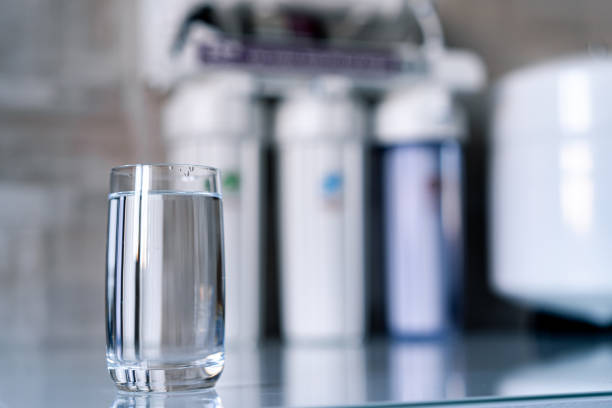
Access to pure and safe drinking water is a fundamental necessity for every household. With increasing concerns about water quality, homeowners are seeking reliable solutions to ensure that the water they consume is free from contaminants. An in-home Reverse Osmosis (RO) system has emerged as one of the most effective methods to achieve this goal. This article explores the benefits, workings, and considerations of installing an RO system in your home.
Understanding Reverse Osmosis Systems
Reverse Osmosis is a water purification process that uses a semi-permeable membrane to remove ions, molecules, and larger particles from drinking water. This process is highly effective in eliminating a wide range of contaminants, including:
- Heavy metals like lead and mercury
- Chlorine and chloramines
- Sediments and particulates
- Bacteria and viruses
- Dissolved salts and minerals
For a deeper understanding of how these systems work and their benefits, explore advanced guides and tips.
Advantages of In-Home RO Systems
There are numerous advantages to installing an RO system in your home, which extend beyond clean water. Some of the key benefits include:
- Improved Taste: By removing impurities, RO systems enhance the taste and odor of water.
- Health Benefits: Consuming water free from harmful contaminants can contribute to better overall health.
- Cost-Effective: While there is an initial investment, the long-term savings from not purchasing bottled water can be significant.
- Eco-Friendly: Reduces the need for plastic bottles, contributing to environmental conservation.
To evaluate if an RO system is suitable for your home, discover expert strategies here.
Installation and Maintenance Considerations
Professional Installation
While some homeowners may consider a DIY approach, professional installation is often recommended to ensure the system’s efficiency and longevity. A professional can help in:
- Assessing water quality and selecting the appropriate system size
- Ensuring proper installation to avoid leaks and maximize efficiency
- Providing guidance on maintenance and filter replacement schedules
Learn about tailored solutions for installation by finding out more about this approach.
Regular Maintenance
Maintaining an RO system is crucial to ensure it continues to function at its best. Regular maintenance includes:
- Replacing filters and membranes as advised by the manufacturer
- Cleaning and sanitizing the system periodically
- Monitoring water pressure and flow rates
For comprehensive maintenance tips, learn about our tailored solutions.
Making an Informed Decision
When considering an in-home RO system, it is essential to weigh the benefits against the costs and maintenance requirements. A well-chosen and properly maintained system offers a reliable source of clean water, contributing significantly to the health and well-being of household members.
For those seeking further information on selecting and implementing the right RO system, find out more about this approach.
In conclusion, an in-home Reverse Osmosis system is a wise investment for those prioritizing health and sustainability. By ensuring access to purified water, these systems provide peace of mind and long-term benefits, aligning with the demands of modern households seeking efficiency and reliability in their water supply solutions.
0 Comments